Kumara Parvatha Trek in November: Weather & Trail Guide
Planning your Kumara Parvatha trek in November? Explore weather conditions, trail highlights, permit rules, and tips for Karnataka's toughest summit.
17 October 2026 · 7 min read · Best in Nov
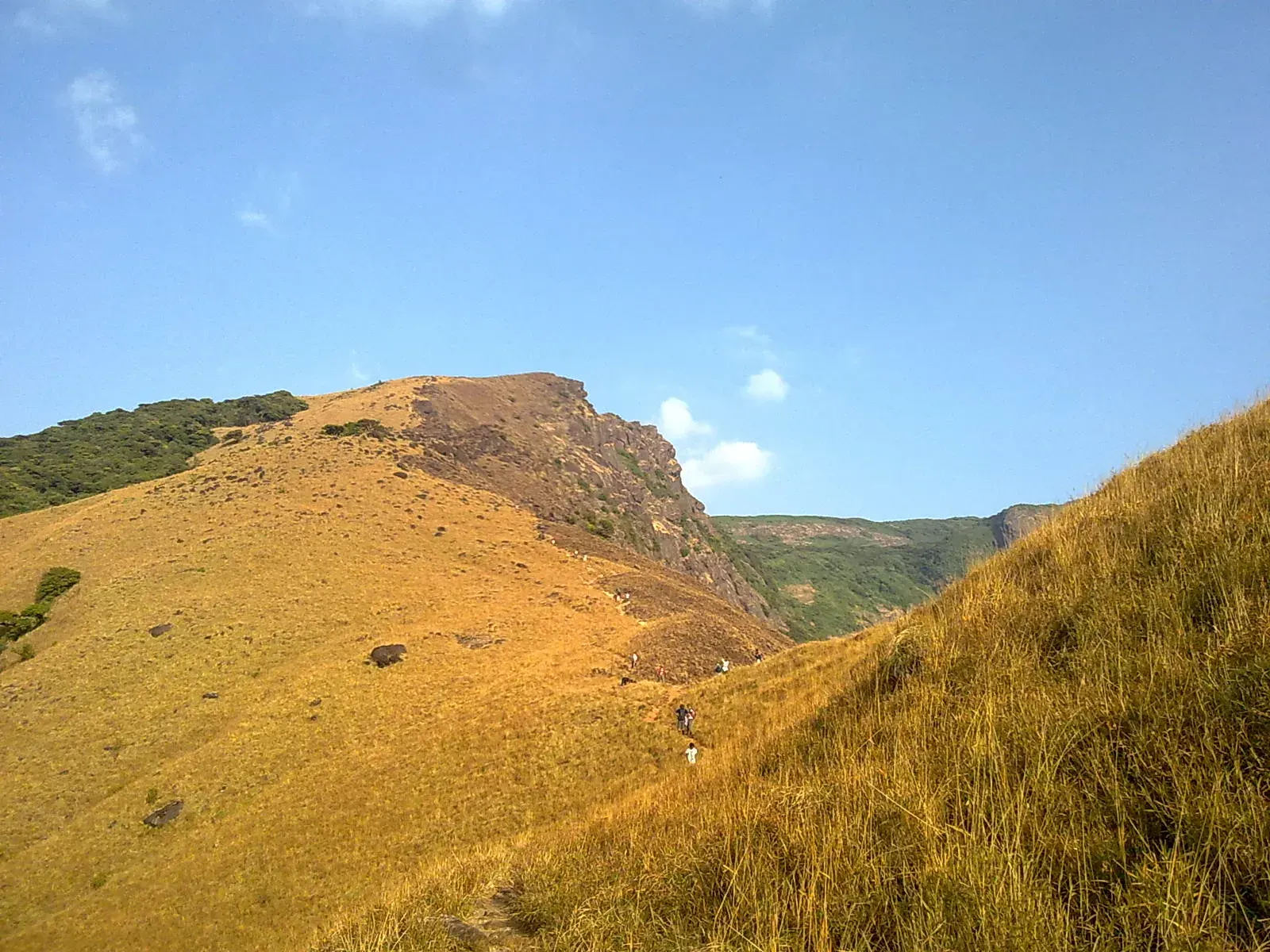
Planning the Kumara Parvatha trek in November places you right at the opening of peak trekking season in the Western Ghats. By early November, the fierce monsoon downpours recede, leaving the slopes lush green while replacing soggy ground with crisp, clear mornings. As one of the premier challenges among the best treks in Karnataka, this trail demands serious leg endurance and early preparation.
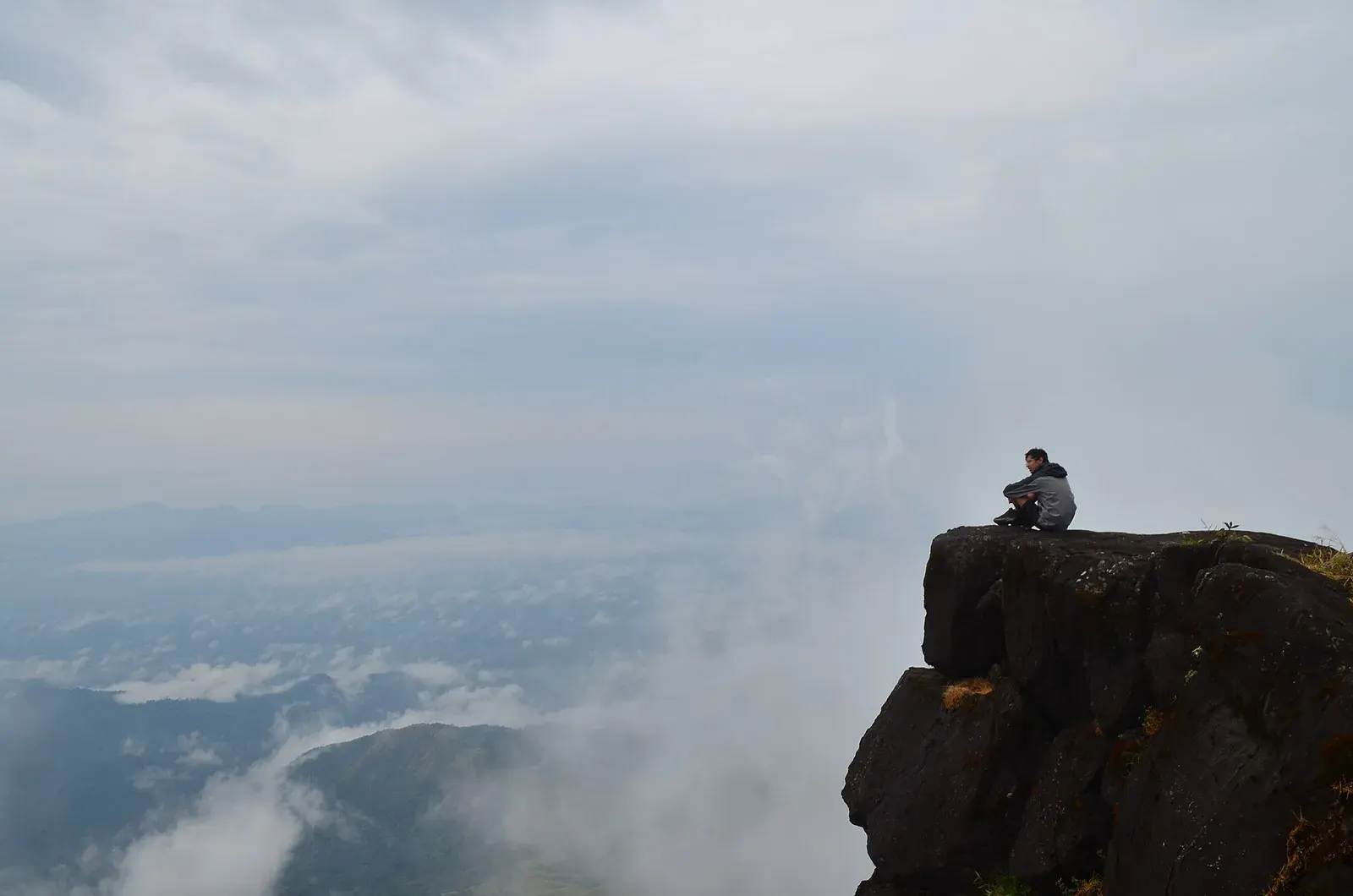
Rising to an altitude of about 1,712 m inside the Pushpagiri Wildlife Sanctuary, Kumara Parvatha is widely regarded as the toughest single-day summit in southern India. Trekkers conquer roughly 22 to 24 km and nearly 1,400 m of vertical ascent over a single day. November provides the ideal balance of temperate weather, high visibility across the valleys, and dry rock faces that make the ascent significantly safer than in monsoon months.
Why do the Kumara Parvatha trek in November?
November marks the formal start of the dry, cool trekking window that lasts through February. The dense Shola canopies retain plenty of post-monsoon freshness, and the vast grassland ridges remain carpeted in green. You escape the drenching rains and slippery mud that characterise the monsoon, allowing you to walk steadily without losing traction on every step.
Temperatures during November days stay pleasant during the early morning hours, which is crucial because shade disappears once you climb beyond Bhattara Mane. The afternoons can still get warm under direct sunlight, but cool mountain breezes make walking across the ridge lines manageable. For travellers scouring options for the best places to visit in India in November, this rugged route through the Ghats stands out as an exceptional outdoor challenge.
Another distinct benefit of November is the reduction of leeches along the lower forested sections. During the monsoon, the trail from Kukke Subramanya up through the tree canopy crawls with leeches, requiring frequent stops and salt treatments. By November, drier trails reduce their numbers significantly, allowing you to focus your energy on pacing and breathing on the steep inclines.
Trail conditions and what to expect on summit day
Summit day on Kumara Parvatha is relentless, starting before dawn from Kukke Subramanya. The trail begins with a steep, stony forest ascent that tests your calf muscles right from the first kilometre. You walk under dense forest cover until reaching the famous rest stop at Bhattara Mane and the nearby forest department check post.
Beyond the forest office, the terrain shifts into open meadows and rocky spurs. The route takes you across rolling grassland ridges towards Kallu Mandapa, a stone shelter that offers a natural spot to hydrate. From here, the trail steepens sharply as you approach the imposing rock face of Sesha Parvatha, which often looks like the true peak from below.
After negotiating the sheer incline and rocky ledge of Sesha Parvatha, the path drops briefly into a small Shola depression before climbing through boulders to the actual summit of Kumara Parvatha at 1,712 m. Standing at the top gives you expansive views over the Pushpagiri Wildlife Sanctuary. Remember that reaching the summit is only halfway; the descent covers the same 1,400 m of elevation drop and puts immense pressure on knees and toes.
Forest permits and Aranya Vihaara guidelines
The Karnataka Forest Department strictly controls access to Kumara Parvatha to preserve the fragile biodiversity of the Pushpagiri Wildlife Sanctuary. Trekkers must hold an official permit booked in advance through the state's Aranya Vihaara portal. The department enforces a daily quota capped at only 300 trekkers per day, and slots fill up rapidly for November weekends.
When you arrive at the forest check post past Bhattara Mane, forest officers verify your government photo ID against the booking permit. Carrying an original government ID is mandatory for every single member of your group. Without a valid permit and matching ID, officials will turn you back at the checkpoint.
The sanctuary enforces a strict zero-tolerance policy against plastic litter. Trekking with single-use plastic bottles, chips packets, or packaged chocolate wrappers is prohibited past the check post. Officers inspect your backpacks at the entry gate, so you must carry all dry snacks, energy bars, and nuts inside reusable containers or lunchboxes.
How to reach Kukke Subramanya and route logistics
The traditional base for the trek is the pilgrim town of Kukke Subramanya, situated in the foothills. The town is well connected across southern Karnataka, making it one of the most accessible destinations for best weekend treks in India. Most trekkers arrive on Friday night or early Saturday to rest before heading out on trail.
If you travel from Bengaluru, the journey takes about 5 to 6 hours by road via regular overnight KSRTC buses or private cabs. From Mysuru, Kukke Subramanya is roughly 3 hours away by road. Mangaluru is the nearest airport and major rail junction, situated approximately 4 hours away by bus or taxi.
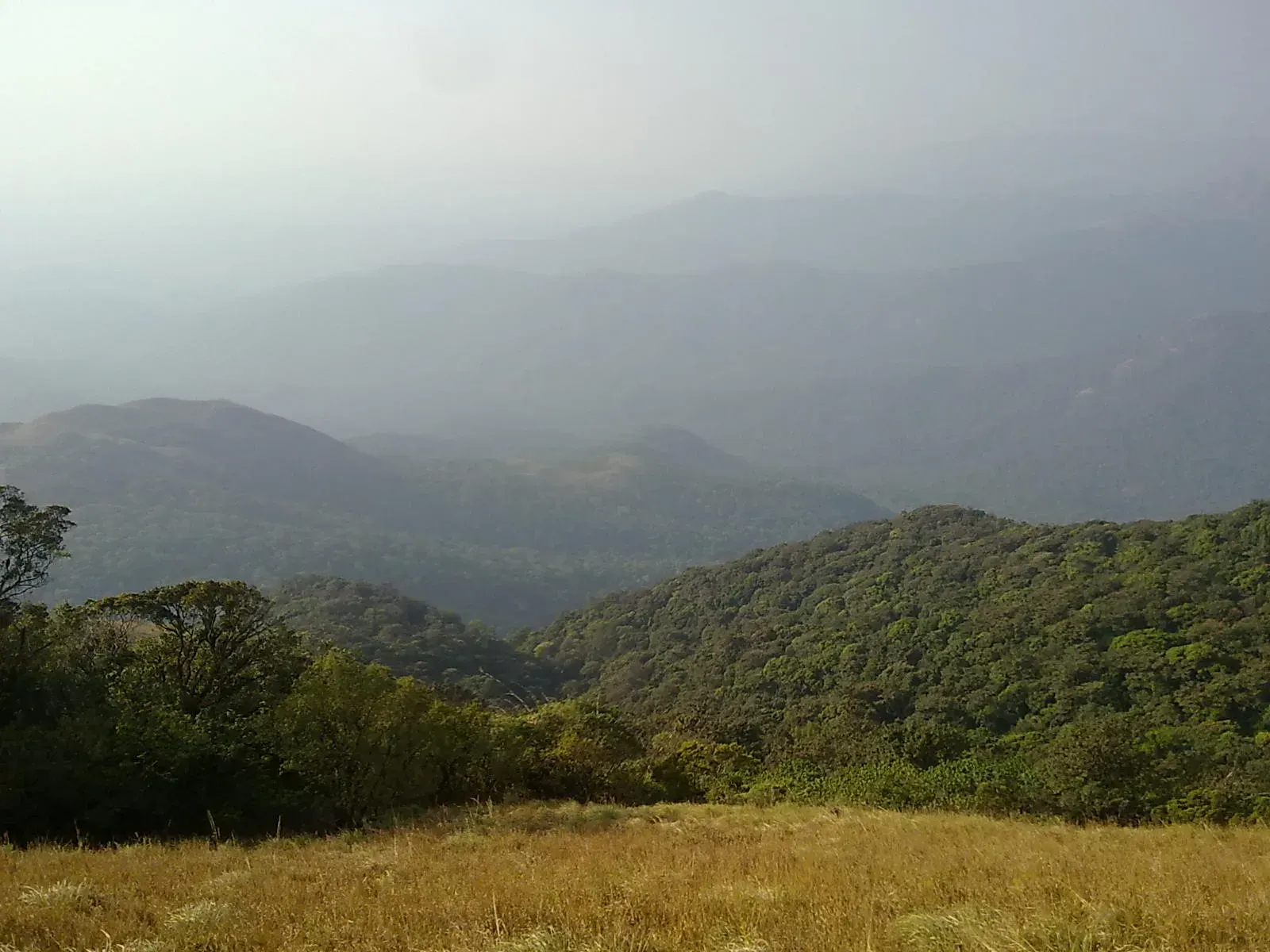
To get a detailed overview of trail markers, water points, and alternate routes from the Somwarpet side, you can consult our detailed Kumara Parvatha trek guide before heading out. Combining your trip with local exploration in Coorg (Kodagu) is also an easy weekend extension if you have an extra day to spare.
Trips in Coorg (Kodagu), all handled
See all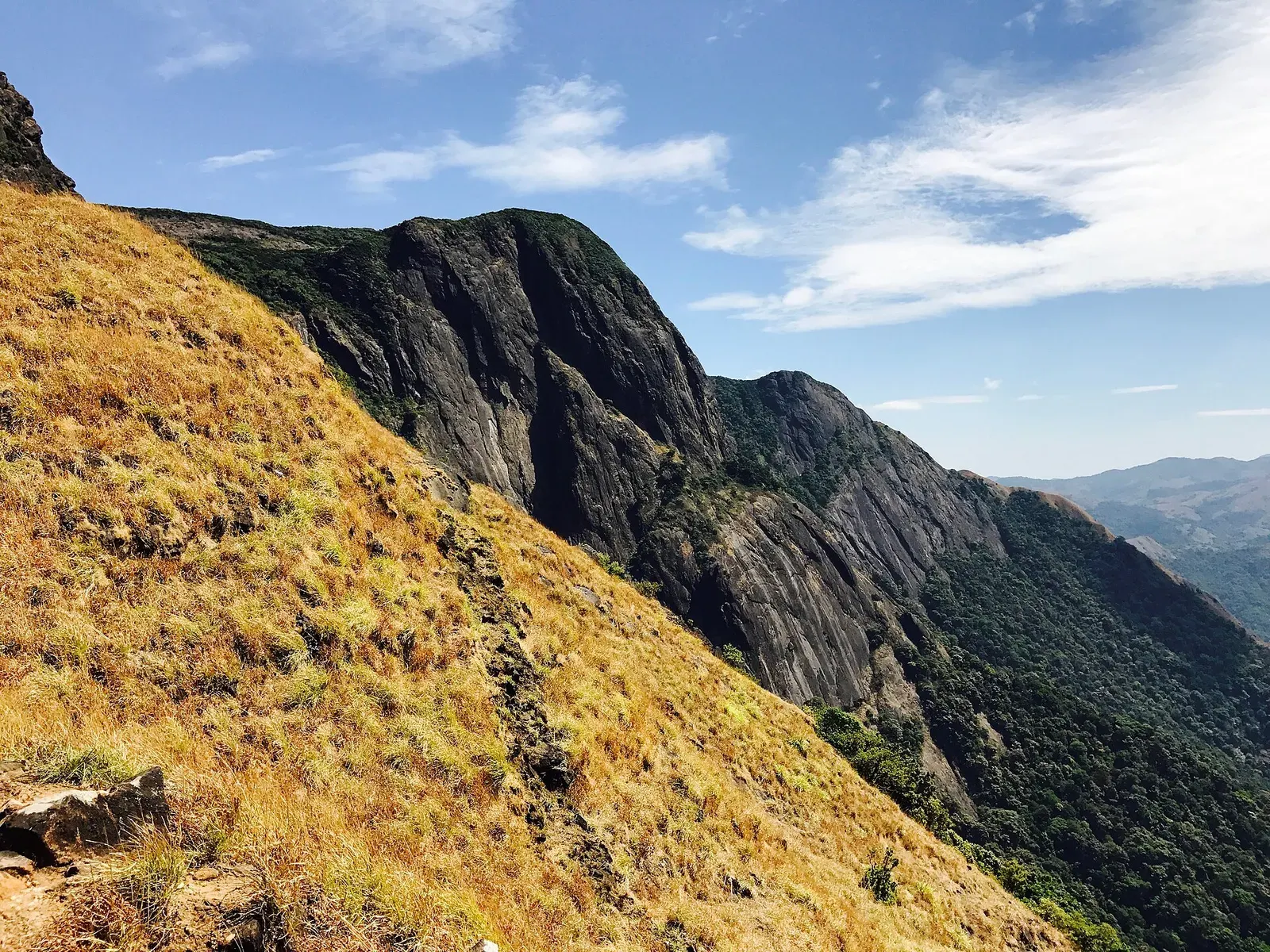
Essential packing list for a November trek
Packing light is critical because you will carry your daypack through 1,400 m of steep elevation gain and loss. However, skimping on safety essentials or hydration can turn summit day into an ordeal. Here are the items you should carry:
- Trekking shoes with deep lug grip: Essential for stability on loose gravel and the steep descent.
- Daypack with 3 litres water capacity: Carry a hydration bladder or reusable bottles you can refill at Bhattara Mane.
- Headlamp or reliable torch: Necessary for the early pre-dawn start from Kukke Subramanya.
- Original government photo ID: Required at the forest check post for permit verification.
- Reusable food containers: Pack dry fruits, energy bars, and electrolyte powders in reusable boxes to comply with plastic bans.
- Sun protection: Broad-spectrum sunscreen, sunglasses, and a wide-brimmed cap for open grassland stretches.
- Light rain jacket: Western Ghats weather can shift suddenly, so having a compact shell in your pack is sensible.
- Personal medical kit: Carry band-aids, blister tape, pain-relief spray, ORS packets, and knee braces if needed.
Physical preparation and pacing advice
Do not underestimate the physical toll of this trek. Walking 22 to 24 km in a single day while negotiating massive elevation changes requires cardiovascular endurance and strong joints. Start conditioning at least three weeks prior by incorporating stair climbing, brisk walking with an incline, and basic lower-body strength workouts like squats and lunges.
On summit day, maintain a rhythmic, sustainable pace from the moment you leave Kukke Subramanya. Avoid rushing through the first forest stretch, as spiking your heart rate early leads to premature fatigue on the open grasslands. Sip small quantities of water with electrolytes every 20 minutes to keep cramps at bay under the November sun.
Keep a strict turnaround time in mind. If you have not crossed Sesha Parvatha by noon, continuing to the summit might force you to descend in the dark along slippery rocky slopes. Trekking poles can reduce the jarring impact on your knees by up to twenty percent on the downward journey, making the steep forest descent far more comfortable.
Frequently asked questions
Is camping permitted at the Kumara Parvatha summit or Bhattara Mane?
No, overnight camping is strictly prohibited by the Karnataka Forest Department anywhere within the Pushpagiri Wildlife Sanctuary. Trekkers must complete the summit and return to Kukke Subramanya on the same day, staying in local lodges in the town.
How difficult is the Kumara Parvatha trek in November?
The trek is graded as difficult and demanding. You cover 22 to 24 km with approximately 1,400 m of ascent and descent in one day, requiring good cardiovascular fitness, stamina, and proper footwear.
Where can we refill water along the trail?
You can refill your bottles at Bhattara Mane, which sits roughly halfway up the route. Beyond the forest check post, there are no reliable drinking water sources, so carry at least 2 to 3 litres per person from that point onward.
Can beginners do the Kumara Parvatha trek in November?
Because of the steep 1,400 m climb and 24 km trail length, it is not recommended for absolute beginners unless you have a high level of regular fitness, regular sports practice, or prior endurance walking experience.
What is the permit fee and daily entry limit?
Entry is capped at 300 trekkers per day through the Karnataka Forest Department's Aranya Vihaara portal. The official permit and guide fees are required before you start, and booking in advance is essential as weekend slots fill quickly.
If you want to experience this iconic peak without the headache of managing daily permit caps and logistics, book our organized Kumara Parvatha Trek in 2 Days. Deshraah handles your official Aranya Vihaara permits, lodge stay in Kukke Subramanya, meals at Bhattara Mane, and provides a trained trek leader to guide you every step of the way.
Want this planned for you? See Coorg (Kodagu) trips — stay, food, travel and a local host, all handled — or book a single experience.