Kedarkantha Trek in November: Weather, Trail & Guide
Planning the Kedarkantha trek in November? Explore trail conditions, autumn colours, freezing night temperatures, packing essentials and route details.
31 October 2026 · 7 min read · Best in Nov
Why do the Kedarkantha trek in November?
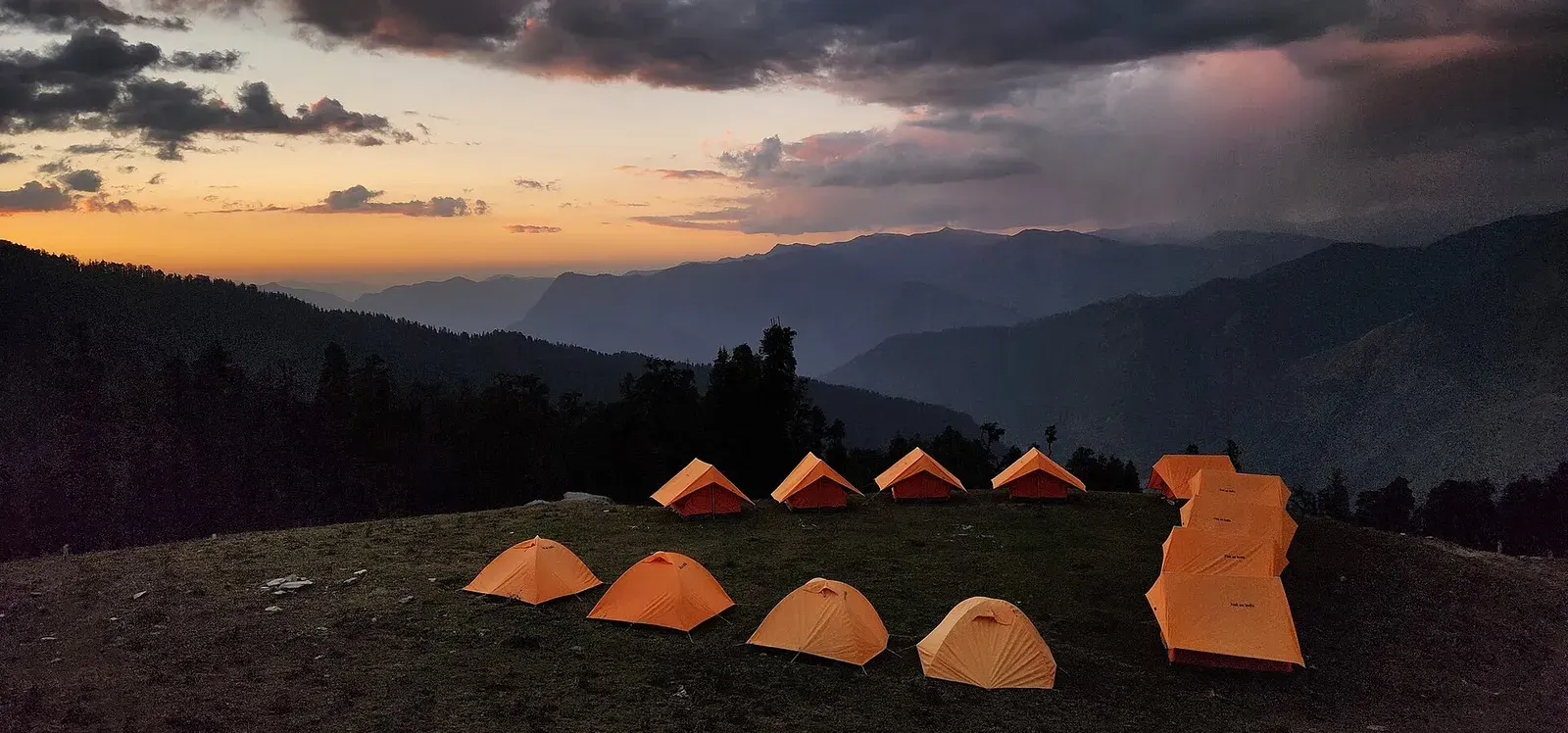
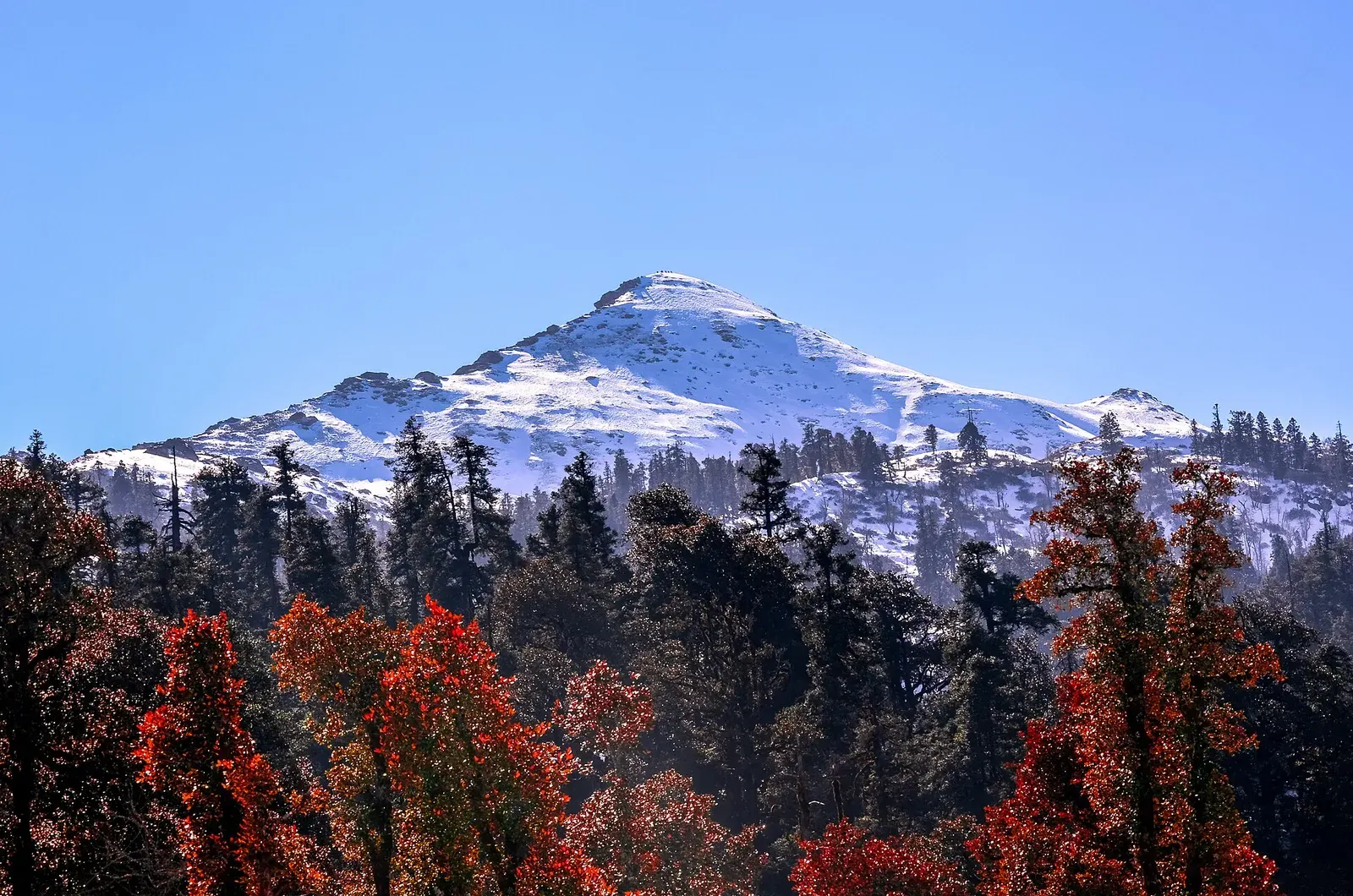
The kedarkantha trek in november is one of the most rewarding mountain journeys in Uttarakhand. Falling right between the departing autumn and the deep freeze of mid-winter, this month gives you crystal-clear skies, uninterrupted horizon views, and comfortably crisp trekking days. The monsoon clouds are long gone, leaving the high ridges sharp and stark against an azure sky.
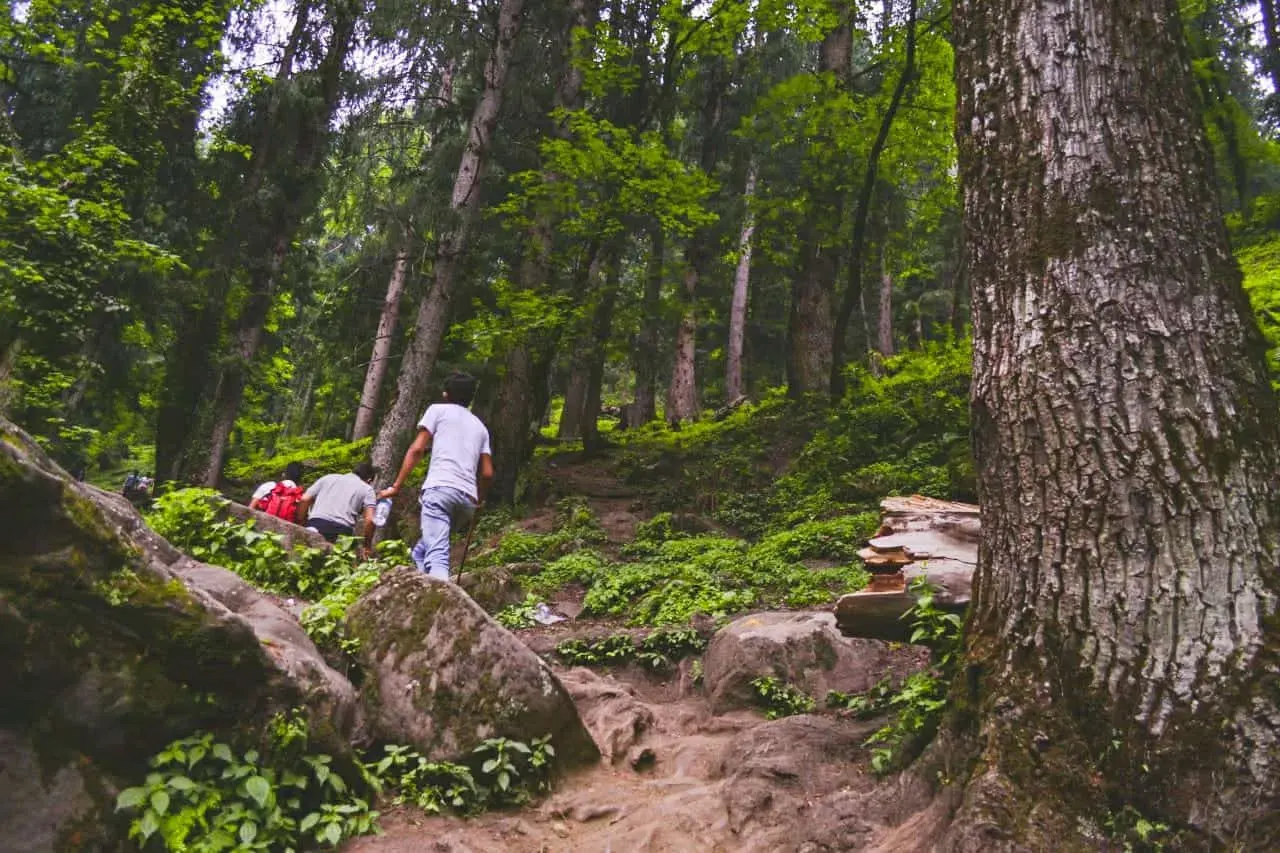
For hikers who prefer solitude on the trail, November is far quieter than December and January. You get to experience famous campsites like Juda ka Talab and the base clearing without the heavy crowds of peak winter vacationers. The dense oak, maple, and pine forests flanking Sankri showcase deep golden and amber hues before shedding their leaves.
Whether you are planning your first high-altitude summit or looking for a scenic break from city work, doing the Kedarkantha trek guide route during this period lets you experience the raw beauty of the Garhwal Himalayas at a relaxed, measured pace.
Kedarkantha trek temperature in November and weather conditions
Understanding the kedarkantha trek temperature in november helps you pack correctly and avoid chills. November brings a sharp contrast between day and night in the mountains. During daytime walking hours, the sun is pleasantly bright, and ambient temperatures hover between 10 °C and 15 °C. You will often hike comfortably in a single moisture-wicking base layer and trekking pants.
Once the sun drops behind the mountain wall around 5:00 pm, the air chills rapidly. At the higher campsites like Kedarkantha base, night temperatures routinely dip near or below 0 °C. The air is dry and thin, so radiant cooling is swift. Frost often glazes tent flysheets and grass blades by early dawn.
Rainfall in November is rare, making it one of the driest months of the year. This ensures firm, dry trails through the forest sections, reducing the risk of slipping on muddy descents. You can read more about dealing with mountain climate variations in our guide on altitude sickness on Himalayan treks.
Route breakdown: the 6-day itinerary from Dehradun
The classic journey follows a 6-day round trip starting from Dehradun and venturing into the Govind Pashu Vihar National Park. The trail spans about 20 km on foot and tops out at a true mountain summit of 3,810 m. Here is how each day unfolds:
- Day 1: Drive from Dehradun to Sankri (approx. 200 km). You wind along the Yamuna and Tons rivers through pine forests to reach the traditional base village of Sankri for an overnight stay in a guesthouse.
- Day 2: Trek from Sankri to Juda ka Talab. The path climbs steadily through dense oak and maple woods, bringing you to the scenic natural clearing of the lake where camps are set.
- Day 3: Trek from Juda ka Talab to Kedarkantha Base Camp. You emerge from the forest line onto vast undulating meadows that frame massive views of the upper ranges.
- Day 4: Summit day to 3,810 m and descent to Hargaon. An early morning start takes you up the exposed summit ridge for sunrise before you descend via a different trail to the Hargaon campsite.
- Day 5: Trek from Hargaon down to Sankri. A gentle downhill hike through pine glades brings you back to hot food and comfortable beds in the Sankri guesthouse.
- Day 6: Drive from Sankri back to Dehradun, arriving by evening near the railway station or airport.
A key advantage of this itinerary is that the summit push and the descent follow different paths. This circular variation keeps your perspective fresh and shows you distinct sides of the mountain ridge without backtracking through the same clearings.
Trail conditions: Kedarkantha trek in November end vs early November
Trekkers often wonder about trail differences across the month. During early November, the environment is dominated by post-monsoon crispness. The lake at Juda ka Talab remains liquid, surrounded by brown grasses and cedar trees. Footpaths are bare earth and rock, offering quick, stable footing throughout the forest zone.
If you embark on the kedarkantha trek in november end, you witness the first true signs of winter. Higher camps experience freezing water bodies, and the edge of Juda ka Talab often shows early sheets of surface ice. The upper shoulder above base camp frequently receives light early-season dustings of snowfall.
Late November marks the beginning of the snowy transition. While heavy snow accumulation usually waits until mid-December, late November hikers occasionally require microspikes near the final ridge if frost or thin snow hardens along the shady rocky gullies.
Trips in Dehradun, all handled
See all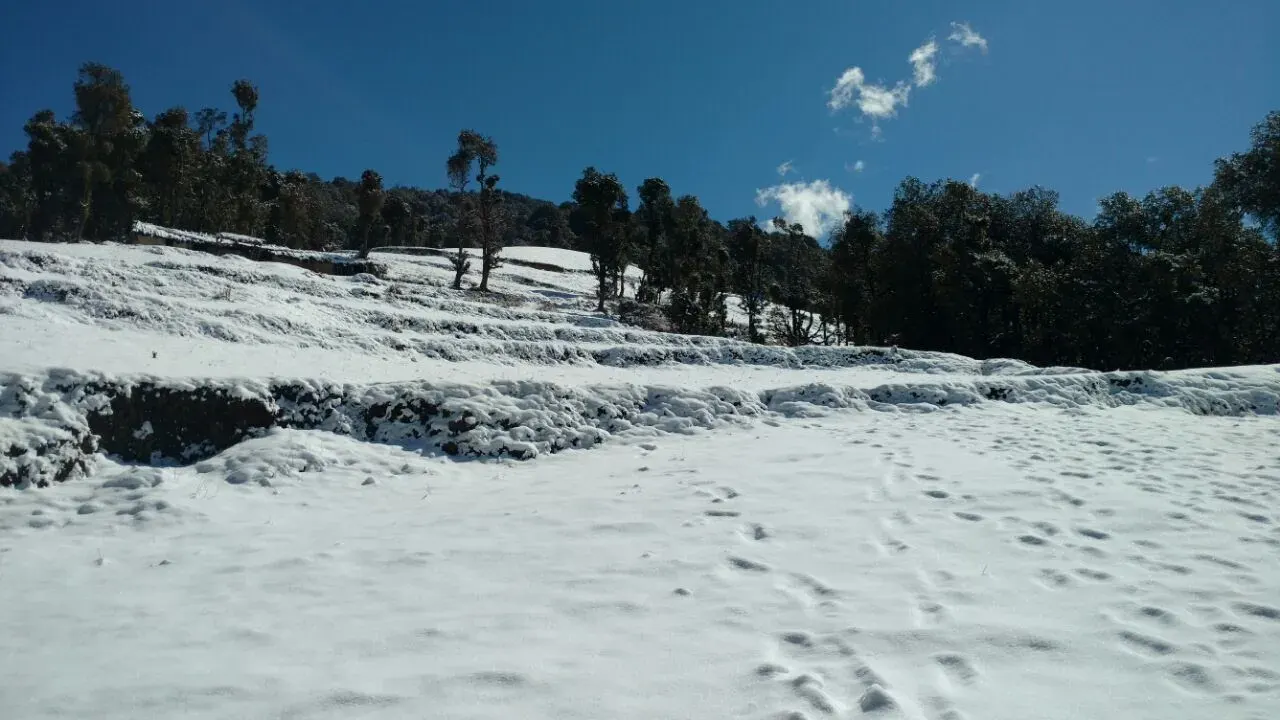
Summit views: Swargarohini, Bandarpunch and Black Peak
Standing atop the summit at 3,810 m is an unforgettable experience. Because November skies are washed free of haze and dust, visibility reaches tens of kilometres across the Himalayan horizon.
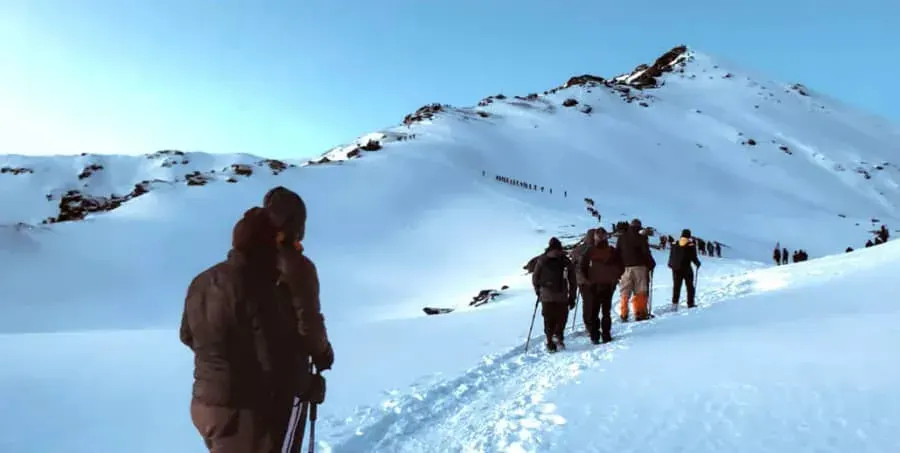
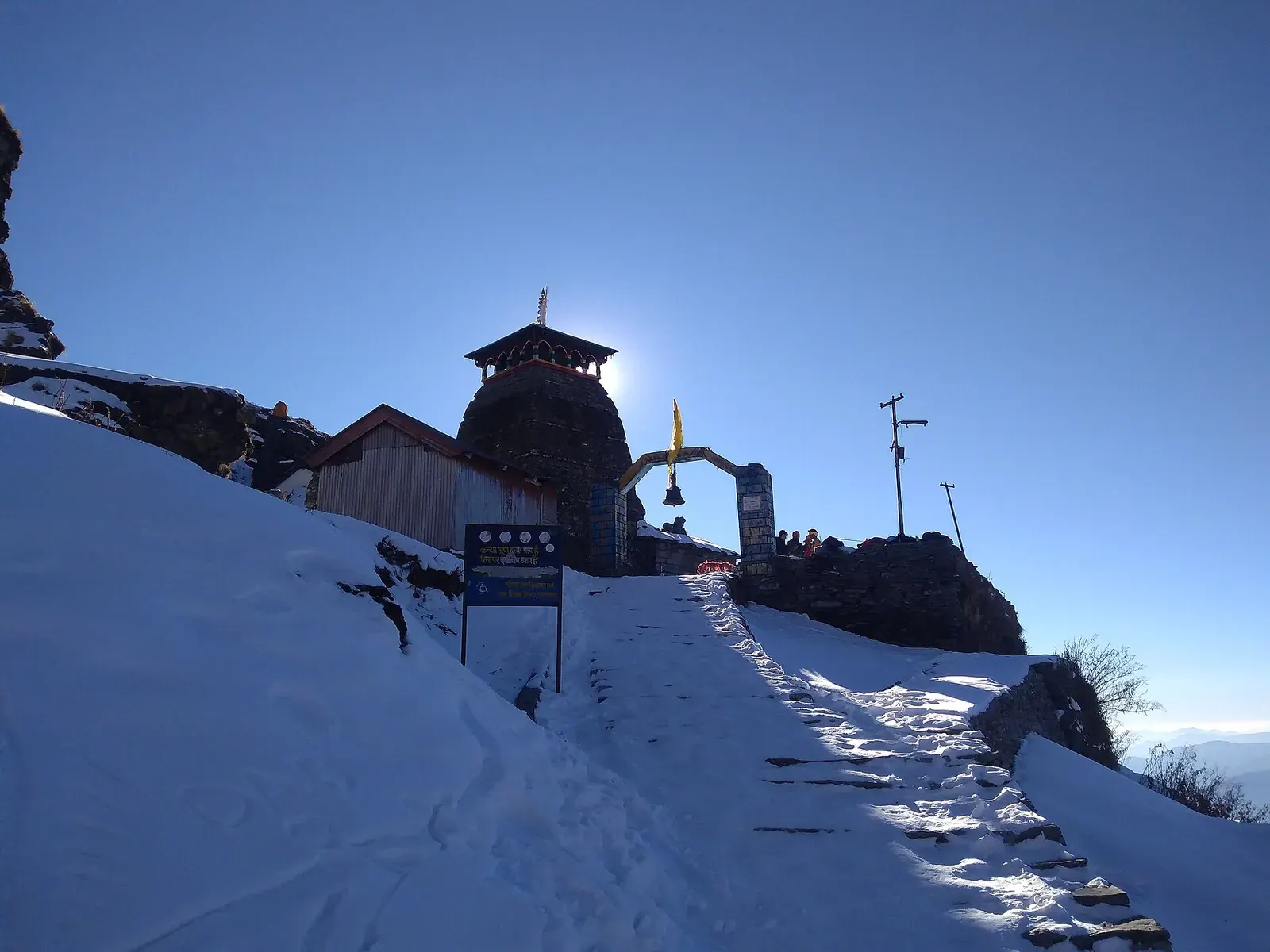
From the summit cairn marked by a small stone shrine, you get a clean 360-degree panorama. Prominent massifs dominating the vista include the jagged ridges of Swargarohini, the rounded crest of Bandarpunch, and the dark precipice of Black Peak (Kalanag). You can also spot the distant ranges stretching towards Himachal Pradesh and the Kinnaur region.
The sunrise summit push begins well before dawn, and watching the golden rays illuminate these giant snow peaks makes every metre of the early morning climb entirely worthwhile.
Is Kedarkantha trek easy and safe for beginners?
Many first-timers ask: is kedarkantha trek easy? The trail holds an easy to moderate rating. The daily distances are manageable, averaging around 4 to 6 km per day across the 20 km course, giving you ample time to pace your breathing and enjoy the scenery.
Similarly, hikers ask: is kedarkantha trek safe? It is widely regarded as one of the safest high-altitude routes in northern India when attempted with a structured itinerary and certified leaders. The gradual altitude gain allows your body to acclimatise smoothly without sudden jumps in elevation.
On an organised trip, your leaders conduct health assessments using pulse oximeters every morning and evening. Tents, insulated sleeping bags, and an emergency oxygen cylinder are maintained on site, making it an excellent choice alongside other routes highlighted in our list of best treks for beginners in India. If you wish to look at alternative meadow trails, you can also explore the Dayara Bugyal trek.
What to pack for Kedarkantha in November
Packing for the mountains in late autumn requires a practical layering strategy. You need breathable garments while hiking uphill to prevent sweat accumulation, alongside heavy insulation the moment you reach camp. You can review detailed gear choices in our Himalayan trek packing list.
- Trekking shoes with ankle support and deep tread, broken in well before the trek to prevent blisters.
- A 40 to 60 L backpack with an integrated rain cover, plus a daypack if you offload your luggage.
- Three warm layers: a quality fleece, a padded or down jacket for sub-zero camp evenings, and a windproof shell.
- Thermal inner wear (top and bottom) dedicated specifically for sleeping inside your tent.
- Quick-dry trekking trousers and moisture-wicking synthetic t-shirts (strictly avoid heavy cotton jeans).
- Woollen cap covering the ears, fleece gloves, and 3 pairs of socks including 1 thick woollen pair.
- UV-protective sunglasses, SPF 50 sunscreen, and moisturising lip balm for high-altitude sunlight.
- Two 1-litre reusable water bottles to stay hydrated without using single-use plastic on the trail.
- A reliable headlamp with extra batteries for the early morning 3:30 am summit push.
Frequently asked questions
Is Kedarkantha trek open in November?
Yes, the Kedarkantha trek is fully open throughout November. Forest permits are regularly issued from Sankri, and the clear autumn weather makes it one of the most reliable and pleasant months for hiking before deep winter snow sets in.
Can we do Kedarkantha trek in November if we are complete beginners?
Yes, beginners with average cardiovascular fitness can complete the trek comfortably. The gradual elevation profile, moderate daily walking distances, and well-trodden paths make it an ideal introductory summit for first-time trekkers.
What is the Kedarkantha trek best time during the autumn and winter months?
The best time depends on your preference. October and November provide clear skies, mild walking days, and golden forest trails, while December to April is ideal if you want a dedicated snow trek on frozen routes.
How cold does it get on the Kedarkantha trek in nov?
Daytime temperatures range from 10 °C to 15 °C under direct sunlight. Night temperatures drop near or below 0 °C at higher clearings like Juda ka Talab and Kedarkantha base, requiring multiple warm layers and a rated sleeping bag.
Will I find snow on the Kedarkantha trek in November end?
You might encounter light snow flurries or patches of frost and hard-packed snow near the summit ridge towards the end of November, but deep snow accumulation across the entire trail typically starts later in December.
Ready to stand at 3,810 m and watch the sunrise over Bandarpunch and Swargarohini? Book the all-inclusive Kedarkantha Trek in 6 Days starting at ₹5,499 per person, complete with Dehradun transport, guesthouse stay, summit camp setups, and wilderness-certified trek leaders, or browse our other best winter treks in India to start planning your mountain escape.
Want this planned for you? See Dehradun trips — stay, food, travel and a local host, all handled — or book a single experience.