How to Keep Warm in a Tent in Winter: A Camper's Guide
Wondering how to keep warm in a tent in winter? Discover practical insulation tips, clothing layers, sleeping setups, and campsite habits for cold nights.
14 October 2026 · 8 min read
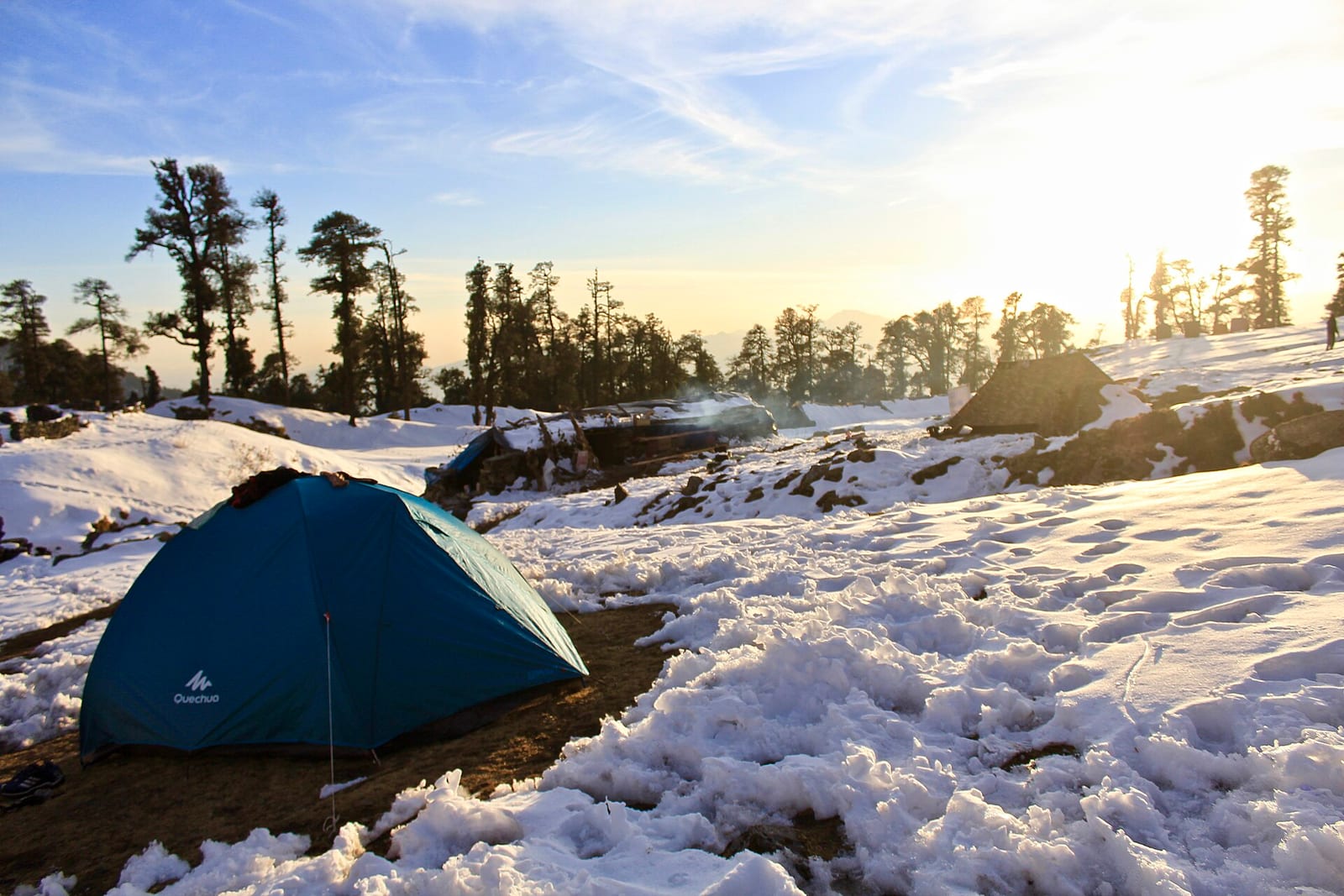
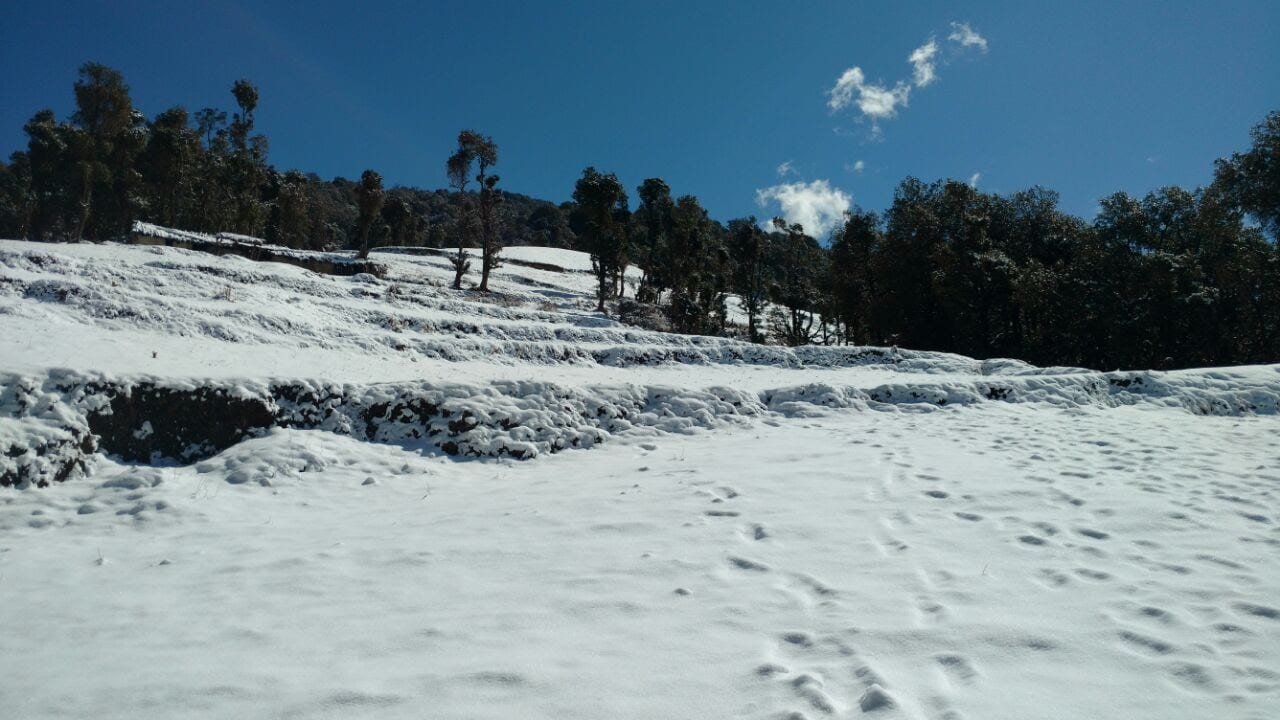
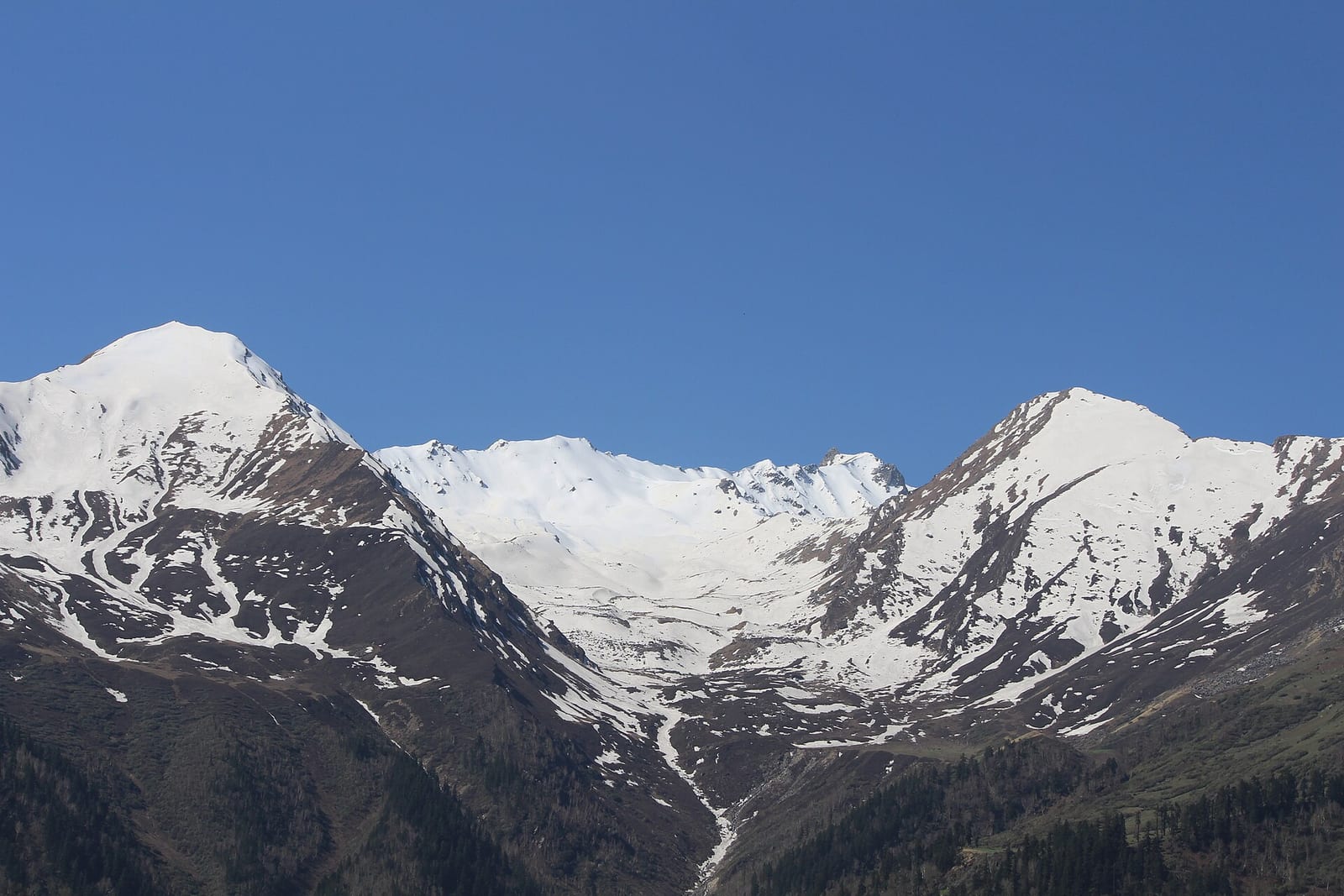
Winter camping in India offers crisp blue skies, snow-covered ridges, and peaceful campsites far away from busy towns. Yet when the sun dips behind the mountains, temperatures plummet rapidly. Knowing how to keep warm in a tent in winter is the single most important skill for enjoying your time outdoors without shivering through the dark hours.
A standard tent fabric does not produce heat or act like an insulated brick wall. Its primary purpose is to block wind, shed falling snow, and trap a pocket of still air warmed by your body. If you set up your shelter thoughtfully and manage your gear well, you can sleep comfortably even when frost covers the outer flysheet.
Understanding heat loss: how cold robs your body
To stay warm, you first need to understand how the cold drains your energy. Your body loses warmth in four primary ways: conduction, convection, radiation, and evaporation. Tackling each of these distinct factors will help you build a reliable defence system against sub-zero Himalayan nights.
- Conduction occurs when your body touches cold surfaces, primarily the frozen earth beneath your sleeping bag.
- Convection happens when chilly wind whips across thin fabric or draughts slip under your tent fly.
- Radiation is the normal outward release of heat from bare skin into colder surrounding air.
- Evaporation removes warmth when sweat cools on damp skin or when moist breath leaves your lungs.
Most beginners worry about the cold air swirling above them, but the hard frozen ground beneath you pulls heat away roughly three times faster than ambient air. Insulating your floor is therefore your top priority when winter temperatures drop near or below 0 °C.
The best way to keep a tent warm in winter starts from the ground
If you ask experienced mountain guides, the best way to keep a tent warm in winter is by isolating yourself from the terrain. A thick down sleeping bag loses almost all its insulating loft beneath your shoulders and hips because your body weight compresses the filling completely flat against the tent floor.
You must use an insulated camping mat with a dependable thermal resistance rating. In heavy winter conditions, doubling your ground layers is a great strategy. Start with a closed-cell foam mat directly on the tent floor, then place an insulated inflatable mat or thick foam mattress on top of it.
You can also line the tent floor with your empty rucksack, spare rainwear, and foam sit-pads. Creating a barrier between your sleeping space and the cold soil ensures that radiant body heat reflects back to you instead of seeping into the mountain.
How to keep tent warm in winter camping with proper sleep systems
Knowing how to keep tent warm in winter camping requires treating your sleeping bag as a heat-retention chamber rather than a heater. The bag traps the heat your body produces; it cannot create warmth on its own. If you crawl inside feeling cold, you will likely remain cold for hours.
Choose a sleeping bag rated comfortably below the lowest expected night temperature. On trails like the Brahmatal Trek, winter camps sit above 3,000 metres where night temperatures routinely plunge below freezing. A winter mummy bag with a snug draft collar and insulated hood is essential.
- Fluff your sleeping bag twenty minutes before sleeping to allow the down or synthetic insulation to regain its maximum loft.
- Fill dead space near your feet by stuffing clean, dry layers or your fleece jacket down the bottom of the bag.
- Add a fleece or thermal sleeping bag liner, which can boost your bag warmth by several degrees without much extra bulk.
- Keep the hood cinched down around your face so only your nose and mouth remain uncovered.
A classic outdoor technique is the hot water bottle method. Before climbing into bed, fill a hard, leak-proof bottle with hot water, screw the cap tight, slip it inside a clean woollen sock, and place it down by your feet or against your core inside the sleeping bag. It provides steady radiance for hours.
Clothing layers and bedtime routines that trap body heat
What you wear to sleep determines how comfortable your night will be. As outlined in our Himalayan trek packing list, you should always reserve a dedicated set of dry thermal inner wear exclusively for sleeping. Never wear the base layers you hiked in, because dried sweat traps dampness that chills you as soon as you stop moving.
Change into fresh woollen socks, clean dry thermal bottoms, and a long-sleeved thermal top. Wear a warm fleece or woollen beanie to prevent heat from escaping your scalp, along with a pair of lightweight fleece gloves. If your feet run notoriously cold, keep a dedicated pair of loose woollen socks that do not pinch circulation.
- Avoid wearing tight clothing to bed, as restricted blood flow makes your extremities freeze faster.
- Do not overdress in bulky waterproof shells inside the bag; breathability is crucial so sweat vapour can escape.
- Eat a warm, calorie-dense dinner with complex carbohydrates and healthy fats to fuel your internal metabolism overnight.
- Do a minute of light exercises, such as jumping jacks or squats, right before entering your tent to raise your body temperature without sweating.
Do not hold your bladder in an attempt to stay inside your sleeping bag. Your body burns valuable energy keeping stored urine at 37 °C. Stepping out briefly for a toilet break will actually help you feel much warmer once you climb back into your sleeping quilt.
Pitching techniques and wind management
Campsite selection makes a massive difference on snowy routes featured in our guide to the best winter treks in India. Whenever possible, choose a natural windbreak such as a dense forest stand, an earthen ridge, or a boulder cluster. Avoid hollow depressions or frozen valley floors where dense, frigid air naturally pools overnight.
Pitch your tent with its narrowest, lowest profile facing directly into the prevailing wind. Stake out every guy line securely using heavy rocks or snow stakes so the fabric stays taut. A flapping flysheet allows cold drafts to push out the trapped buffer of warm air inside your inner tent.
If you are camping on fresh snow, pack down the site thoroughly with your trekking boots and let the snow set before pitching. This creates an even, compressed platform that resists melting into cold puddles beneath your body heat.
Managing condensation and ventilation inside cold tents
It feels counterintuitive, but keeping your tent vents open is crucial in sub-zero weather. Every human exhales roughly half a litre of moisture during a single night of sleep. If your tent is zipped completely airtight, that humid breath hits the freezing flysheet, condenses, and drips back down on your sleeping bag like indoor rain.
A wet down sleeping bag loses its loft and cannot keep you warm. By leaving your high vents slightly open, warm moist air exits through the top while fresh air circulates gently, preventing interior frost build-up. Never breathe directly inside your sleeping bag, as your exhaled vapour will saturate the insulation.
On easy snowy trips like the Nag Tibba weekend trek or Dayara Bugyal trek, quality four-season camping setups keep the fly taut and separate from the breathable inner canopy, minimising any condensation risk.
Keeping larger canopies and temporary structures warm
People often wonder how to keep a party tent warm in winter during outdoor events, or how to keep a grow tent warm in winter for indoor cultivation. While these are different from trekking tents, the basic physical principles of insulation, airflow, and draft elimination remain identical.
For outdoor event canopies, the secret is sealing the perimeter. Use heavy-duty sidewalls with ground skirts weighed down by sandbags to stop cold wind from sweeping beneath the edges. Commercial indirect-fired heaters or outdoor-rated infrared radiant heaters placed away from foot traffic provide clean, safe warmth without generating indoor fumes.
For indoor grow tents, maintaining an ideal root-zone temperature requires lifting pots off bare concrete floors with insulated foam boards or rubber mats. Small ceramic seedling heat mats, scheduled light cycles running during cold night hours, and controlled duct heating help stabilise conditions without creating hot spots.
Frequently asked questions
how to keep a party tent warm in winter?
Seal all sidewall edges firmly to the ground with sandbags to block wind tunnels, lay outdoor carpets over ground tarps to prevent cold rising from the earth, and use outdoor-rated indirect gas blowers or radiant infrared heaters positioned away from fabric and guests.
how to keep a grow tent warm in winter?
Elevate plant pots off cold concrete floors using foam insulation boards, run powerful grow lights during the coldest night hours, seal intake air drafts, and use a temperature-controlled ceramic heat emitter or seedling heating mat.
Can I use a gas camping stove inside my tent to heat it up?
No, you must never burn a gas stove or charcoal heater inside a sealed sleeping tent. Burning open fuel produces deadly carbon monoxide fumes that cause asphyxiation, and the flame creates an extreme fire hazard against thin nylon fabric.
Should I sleep with my trekking boots inside the tent?
Yes, bring your boot liners or entire boots inside the tent or vestibule wrapped in a plastic bag. If left outside in sub-zero air, the leather and damp soles will freeze completely solid by morning, making them painful or impossible to wear.
Why do I feel colder wearing multiple tight layers inside a sleeping bag?
Tight garments compress your blood vessels, restricting circulation to your fingers and toes. They also compress the loft of your sleeping bag and clothing, reducing the trapped pockets of still air that actually keep you insulated.
If you want to experience the magic of snowy mountain camps without the stress of managing cold-weather logistics, book a guided Himalayan journey with Deshraah. Our winter departures on trails like the Kuari Pass Trek for ₹12,500 and Brahmatal Trek for ₹14,500 provide high-grade alpine tents, warm sleeping bags, insulated mats, and delicious hot meals prepared by experienced mountain cooks.