Gwalior Fort History: Tomars, Mughals & the Scindias
A short, readable history of the fort that has watched over Gwalior for centuries, and the rulers, poets and prisoners who passed through it.
21 September 2026 · 2 min read

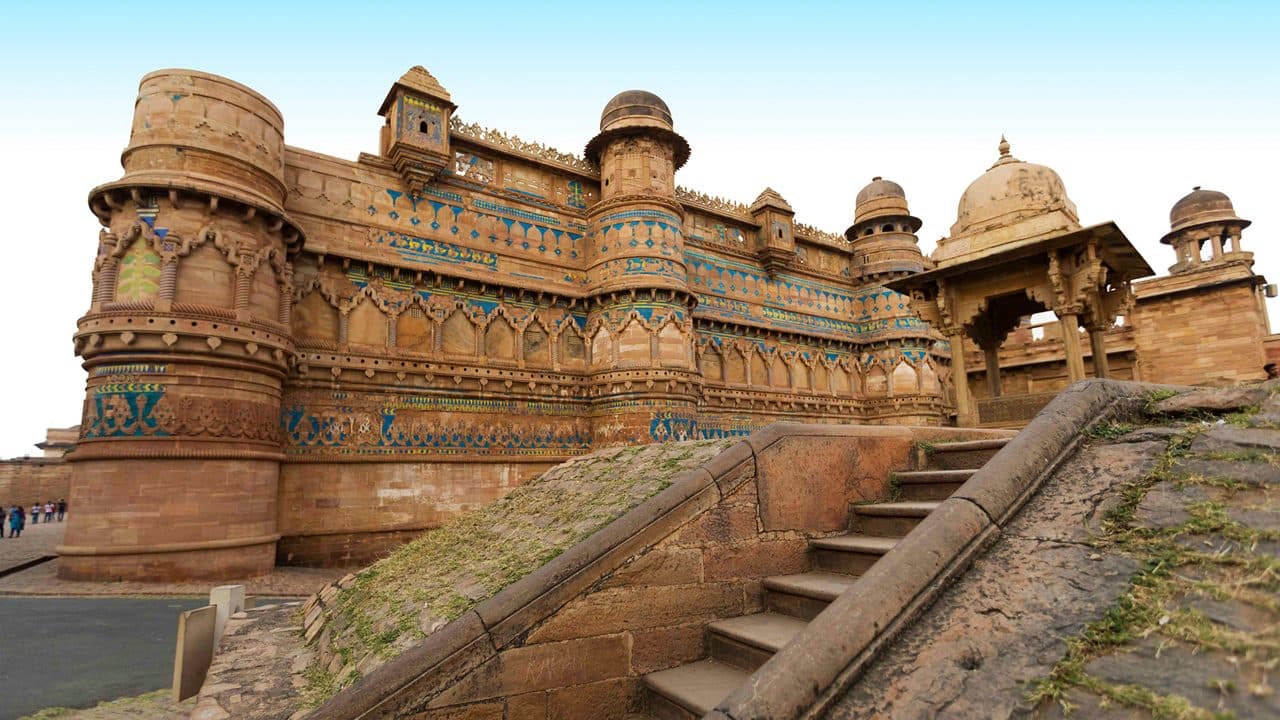
Few forts in India have changed hands as often as Gwalior's. It sits on a long sandstone ridge that rises steeply above the city, which made it valuable to almost every power that ruled the region.
The early centuries
Local tradition dates the fort to a far older beginning, and the oldest surviving temples on the plateau, such as the Teli ka Mandir, are usually placed around the 8th and 9th centuries. The fort passed through the hands of several dynasties over the following centuries.
The golden age of the Tomars
The fort's best-known chapter belongs to the Tomar rulers, and above all to Man Singh Tomar, who reigned from the late 15th century into the early 16th. He built the Man Mandir Palace, with its coloured tiles and carved facades, and commissioned Gujari Mahal for his queen Mrignayani. He was also a patron of music, and the tradition of Gwalior's classical music is closely tied to his court.
Mughals, Marathas and the Scindias
After the Tomars, the fort came under the Mughals, and later served as a state prison. In the 18th century the Marathas, and then the Scindia family, took control, and Gwalior became the seat of one of the most important princely states. The Jai Vilas Palace in the city below was built in the 19th century as the family's residence.
A place of prisoners and pilgrims
The fort has always been more than a military site. Gurudwara Data Bandi Chhor commemorates the sixth Sikh Guru, who was held here. The rock-cut Jain figures cut into the cliff are a reminder that pilgrims and monks were as much a part of its story as soldiers.
In 1858 Rani Lakshmibai of Jhansi died fighting near Gwalior, and a memorial in the city marks the place.
Trips in Gwalior, all handled
See all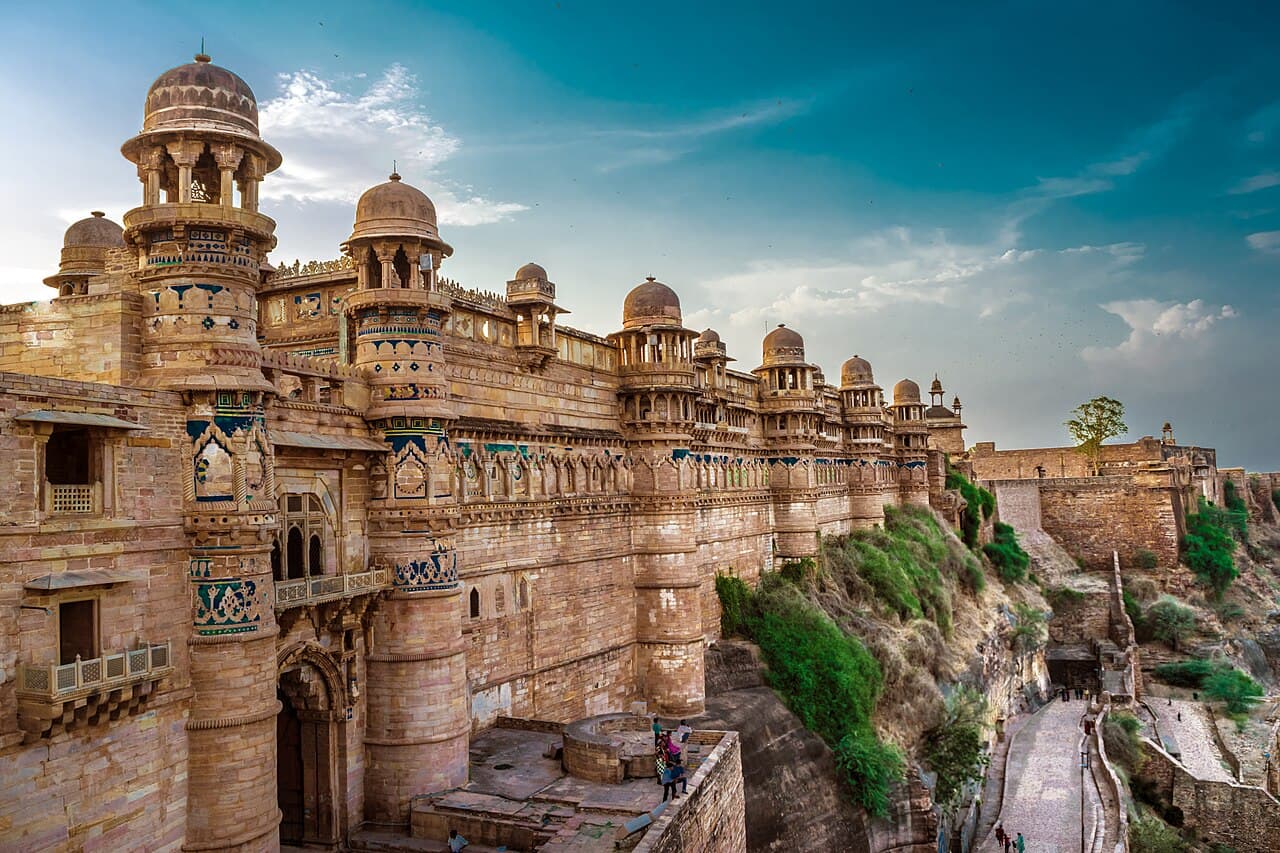
Visiting today
- Go early: the fort is large and the climb is shaded only in parts
- Hire a guide or download a good audio tour, because the signage is thin
- Wear shoes with grip, since the stone is worn smooth
Exact founding dates and some of the older stories vary between sources, so treat any single date as approximate. Timings, ticket rules and dates change from year to year, so confirm the current details before you travel.
Want this planned for you? See Gwalior trips — stay, food, travel and a local host, all handled — or book a single experience.