Best Places for School Excursion in Winter in India
Discover the best places for school excursion in winter in India, from safe snow trails in Himachal to Rajasthan heritage tours, with full planning tips.
21 October 2026 · 5 min read
Finding the best places for school excursion in winter in india is a balancing act between student safety, real educational value, and memorable outdoor exploration. Winter brings clear skies, crisp mornings, and comfortable afternoon temperatures across large parts of the country, making travel far more pleasant than in the hot pre-monsoon months. Whether your institution wants to introduce senior students to Himalayan camping or arrange a cultural immersion tour, careful planning ensures every child returns inspired and safe.
Taking students outside the four walls of a classroom builds self-reliance, teamwork, and an appreciation for nature that textbooks simply cannot replicate. Before booking transport and hotels, teachers and administrators can review how to plan a school trip in India to align itinerary pacing with institutional goals.
Why winter is ideal for school travel across India
The months from November to February offer the most predictable weather across North, Western, and Central India. The intense heat of the plains subsides, allowing students to walk around heritage complexes, botanical gardens, and historical forts without fatigue or heat exhaustion.
For mountain excursions, the lower Himalayan foothills offer clean winter sunshine and visible snow lines on high ranges. As long as schools steer clear of extreme high-altitude passes that face heavy blizzards, winter camps provide manageable cold-weather exposure that teaches young learners how to dress in layers and manage wilderness routines. You can browse educational tour ideas for school students in India to see how geography, environmental science, and history can be integrated into winter stops.
Best places for school excursion in winter in india: Mountain camps
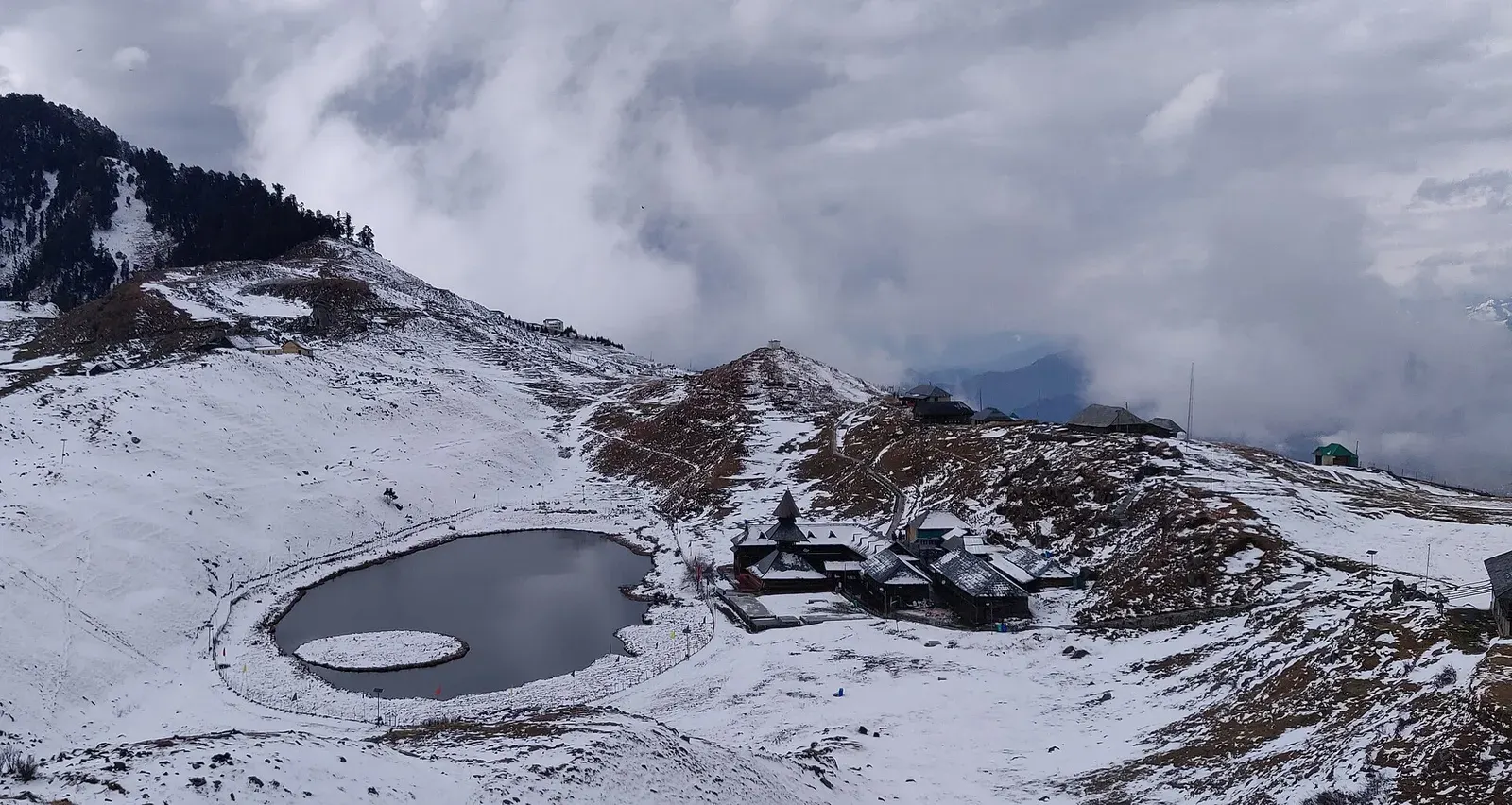
For schools seeking physical activity and adventure learning, lower-elevation trails in Himachal Pradesh provide controlled outdoor environments. A standout option for older students is the Prashar Lake Snow Trek in 2 Days. Starting from Mandi, this trek covers about 14 km on foot and peaks at an altitude of 2,730 m, priced at ₹3,999 per person.
Prashar Lake offers a unique geography and architecture lesson. The basin holds an ancient pagoda-style temple built in the 13th century alongside a floating island that drifts across the water. Because the trek includes safety gear such as microspikes and gaiters when the trail has snow, students experience winter conditions without facing severe technical hazards.
Another excellent mountain route for high school batches is the Triund Overnight Trek above Dharamshala. Costing ₹2,909 per person, this 14 km round trip climbs to a panoramic ridge at 2,850 m. The trail winds through oak and rhododendron forests, opening up to the dramatic granite wall of the Dhauladhar range.
In addition to outdoor ridge camping, a Dharamshala trip introduces students to Tibetan culture, monastery architecture, and community traditions in McLeodganj. For more mountain trail choices suitable for colder months, look through our guide to the best winter treks in India.
Heritage and history circuits: Rajasthan and the Golden Triangle
For younger classes or humanities departments, Rajasthan during winter is an unmatched classroom. Exploring Udaipur trips allows students to study historic Mewar architecture, lake-based water conservation systems, and miniature painting traditions. Day visits to the City Palace and the heritage crafts village at Shilpgram bring history and social studies alive.
Similarly, Jaipur and Agra provide rich case studies in medieval urban design, trade history, and astronomy through sites like Jantar Mantar and the Amber Fort. Winter daytime temperatures here stay between 18 °C and 24 °C, making full-day educational walks comfortable and productive.
- Udaipur: Lake conservation, Mewar architecture, and folk arts at Shilpgram
- Jaipur: Astronomical instruments at Jantar Mantar, town planning, and textile block printing
- Agra: Mughal architecture, stone inlay work, and environmental buffer zones around heritage monuments
- Gwalior: Medieval fort engineering, classical music history, and palace archives
Wildlife and ecology camps in Central and Northern India
Winter is prime safari season across Indian national parks. Forest undergrowth thins out, and morning mists create exceptional birdwatching conditions. Sanctuaries such as Jim Corbett in Uttarakhand, as well as Kanha and Pench in Madhya Pradesh, give students direct insight into food webs, predator-prey dynamics, and forest department conservation measures.
Wildlife excursions help children understand biodiversity beyond textbook diagrams. Nature walks along designated park periphery buffer zones introduce students to track identification, flora documentation, and the challenges of human-wildlife coexistence in nearby villages.
Structuring safety and health protocols for winter student batches
Managing a group of young travellers in winter requires strict logistical planning. Sudden drops in night temperatures mean warm clothing is the first line of defence against chills and fever. Schools must enforce proper three-layer packing: synthetic thermal innerwear, a warm fleece or sweater, and a windproof or down jacket.
Outdoor meals should be served hot, fresh, and nutritious to maintain student energy levels. Hydration is frequently neglected by students in cold weather because they feel less thirsty; staff members must schedule compulsory water breaks throughout the day.
School administrations should always institutionalise a clear school trip safety plan before departure. Having trained outdoor leaders who check student oxygen levels with pulse oximeters, carry portable first aid, and know nearest road-head medical facilities prevents minor issues from turning into crises. Reviewing a complete school trip checklist helps teachers double-check parental consents, medical declarations, and backup transport options.
Frequently asked questions
Which are the safest mountain destinations for a winter school trip?
Lower foothill locations such as Mandi, Dharamshala, and Rishikesh are ideal because they provide controlled trail environments below 3,000 metres without the extreme road blocks or sub-zero risks found on high Himalayan passes.
What is the recommended student-to-teacher ratio on an excursion?
For outdoor adventure and snow camping trips, an adult-to-student ratio of 1:8 or 1:10 is recommended. For urban heritage and museum tours, a ratio of 1:12 to 1:15 is usually sufficient to maintain headcount safety.
What special clothing should schools instruct parents to pack for winter trips?
Parents should pack warm thermal sets, comfortable quick-dry track pants, fleece jackets, insulated outer jackets, woollen caps covering the ears, fleece gloves, and extra pairs of woollen socks.
Can middle school students participate in snow treks?
Yes, older middle school students (classes 7 and 8) with basic fitness can handle easy weekend snow trails like Prashar Lake, provided the trip is run by certified outdoor leaders with warm dining tents and proper safety gear.
Planning a customized, supervised winter trip for your school or college batch? Connect with Deshraah to arrange safe mountain treks like the Prashar Lake Snow Trek in 2 Days or explore curated educational circuits with our experienced leaders and certified outdoor teams.